Sarah Tompkins: Bad Alchemy
June 13 – July 11, 2026
Opening Reception on Saturday June 13, from 2 – 5 pm
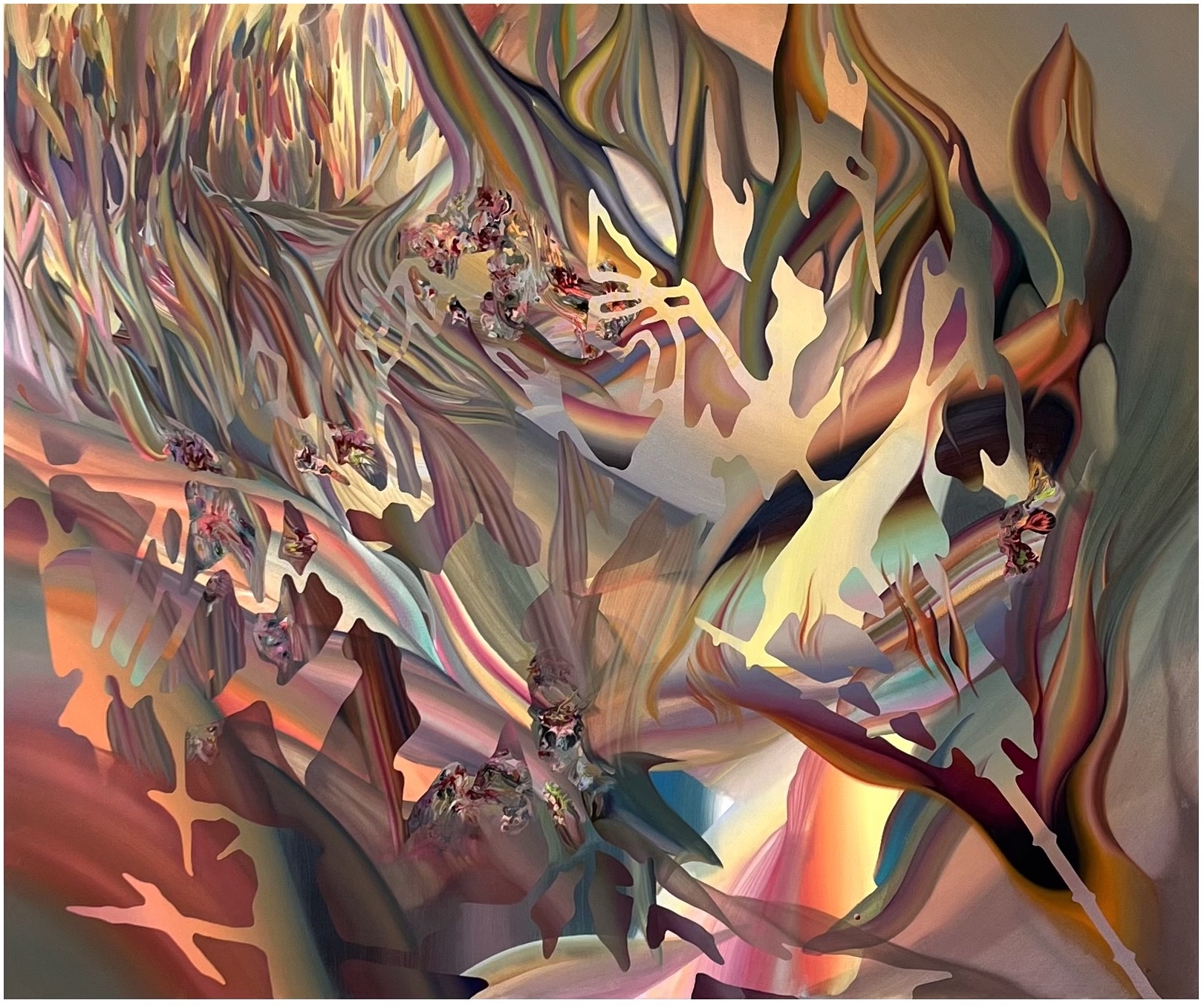
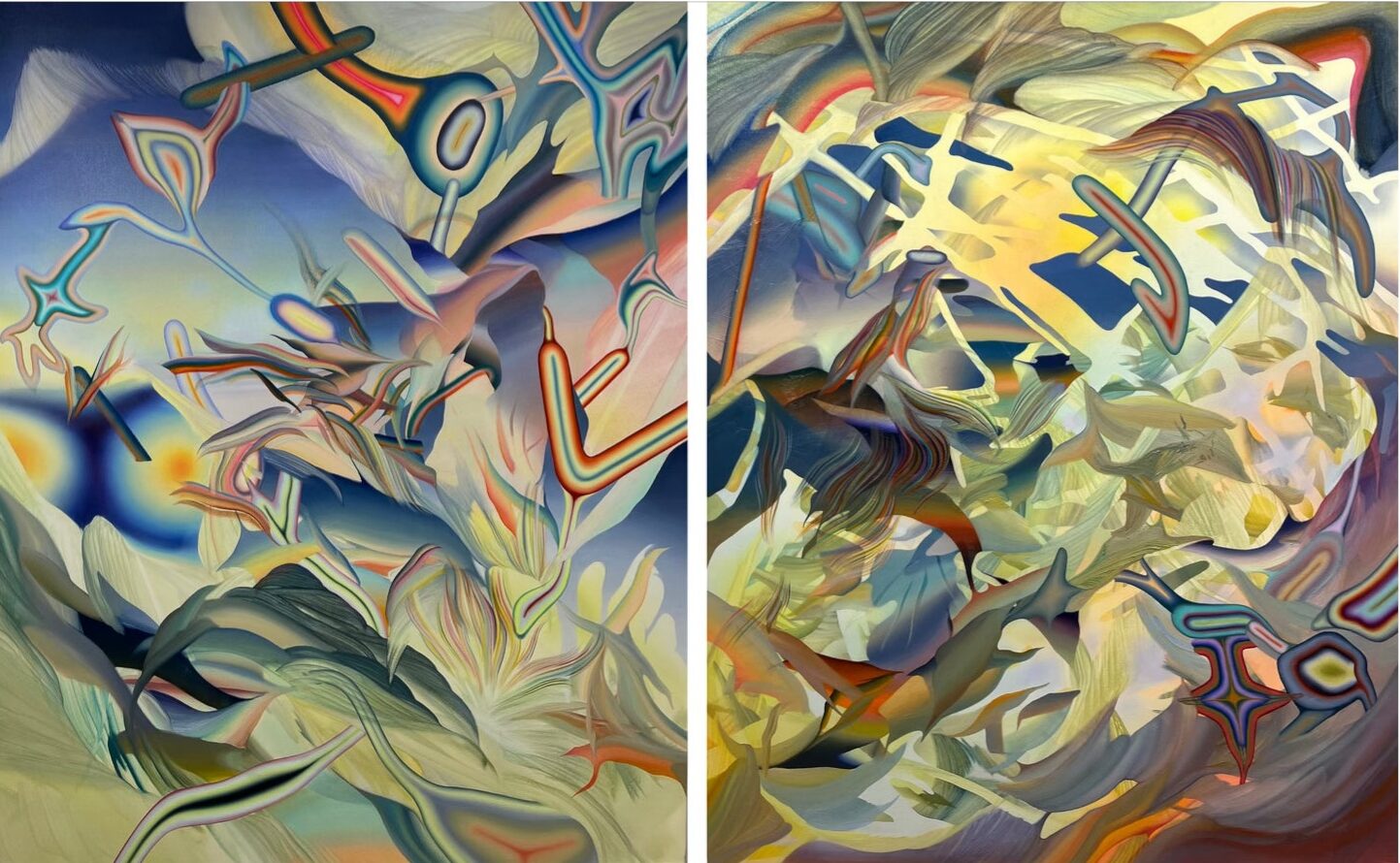
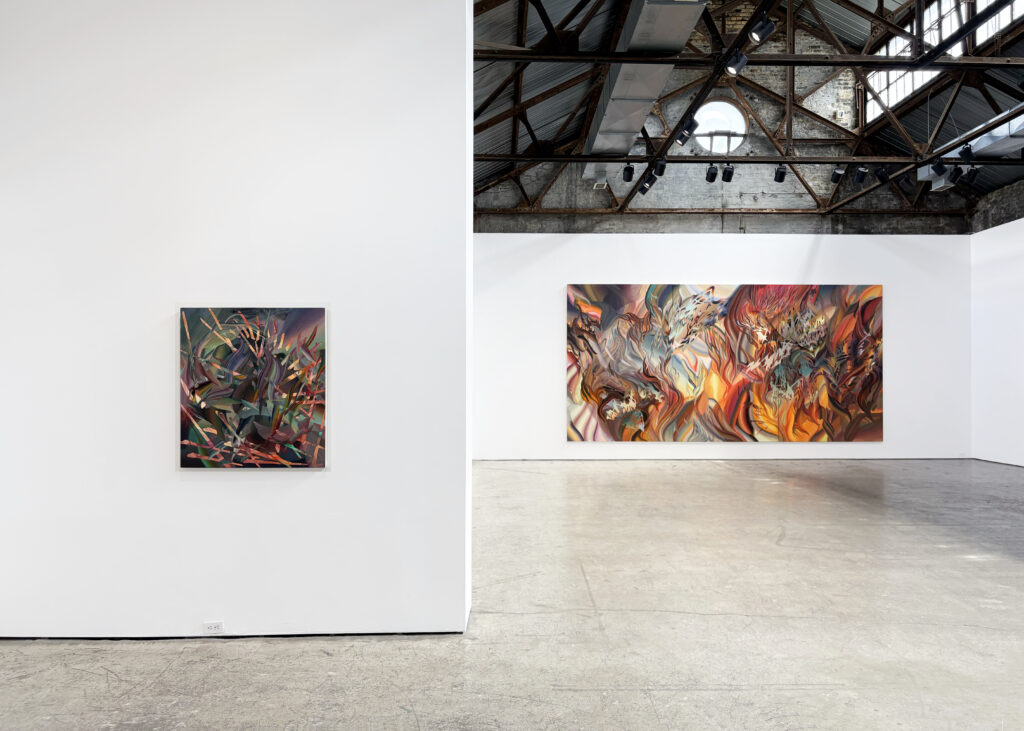
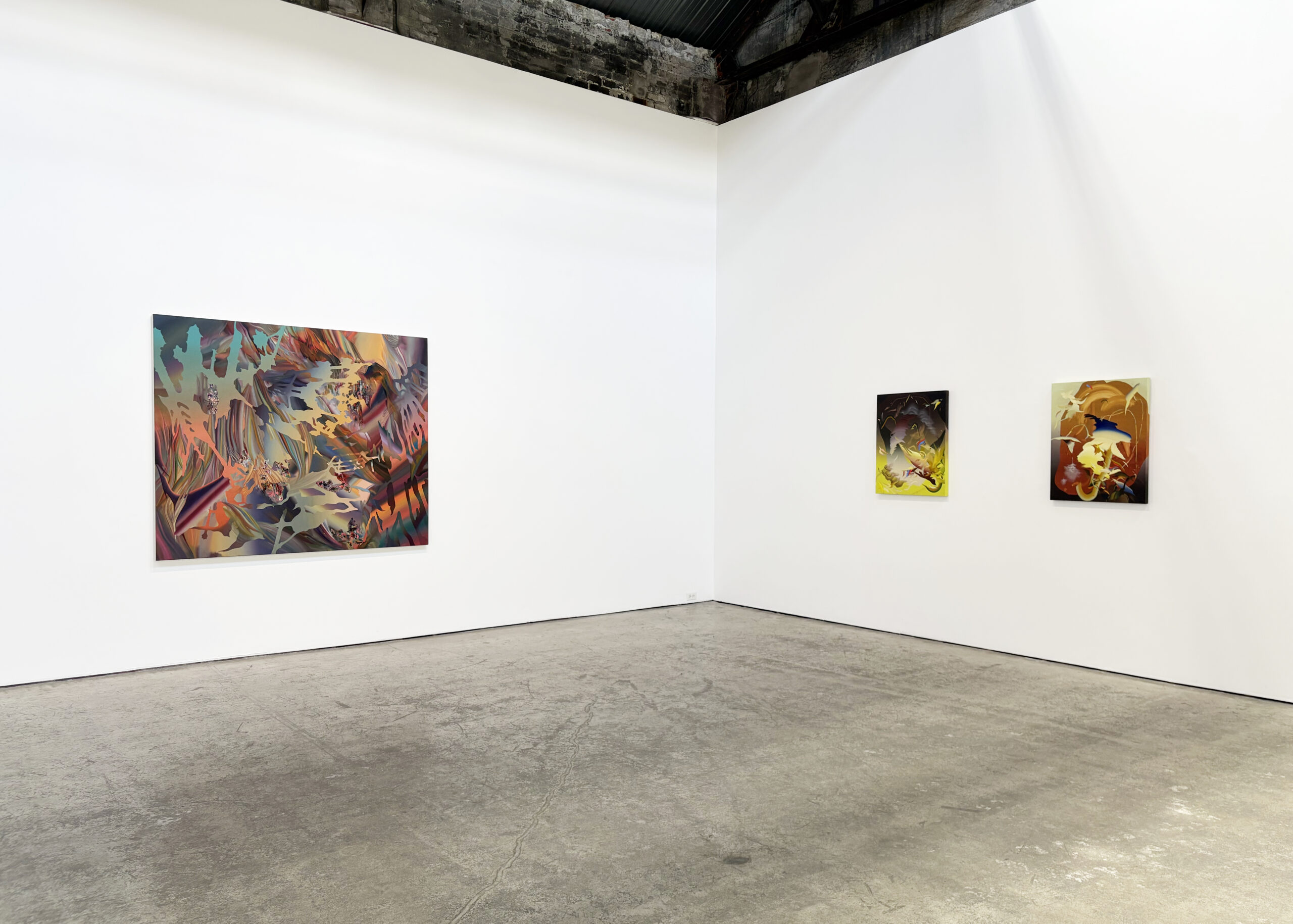
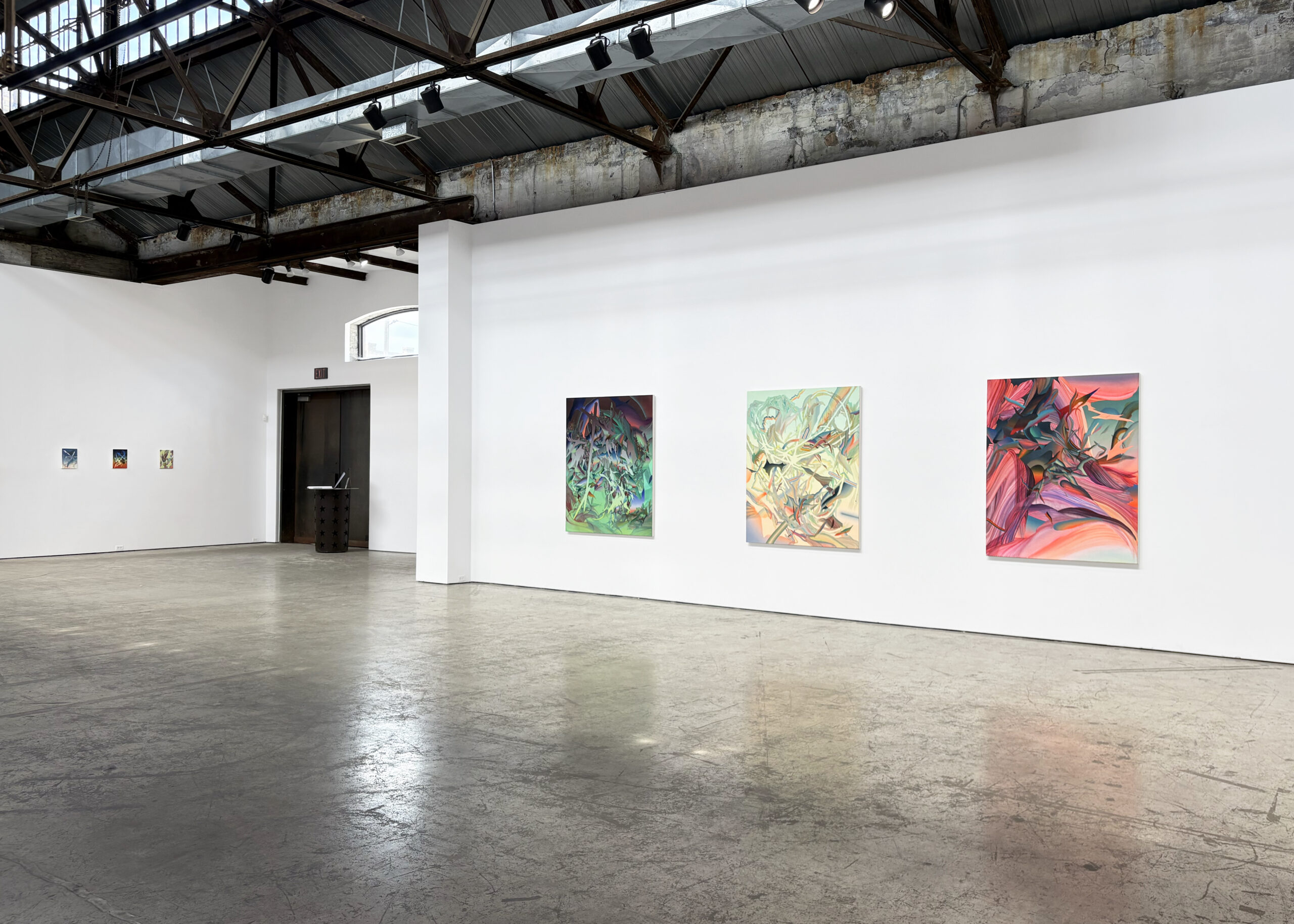
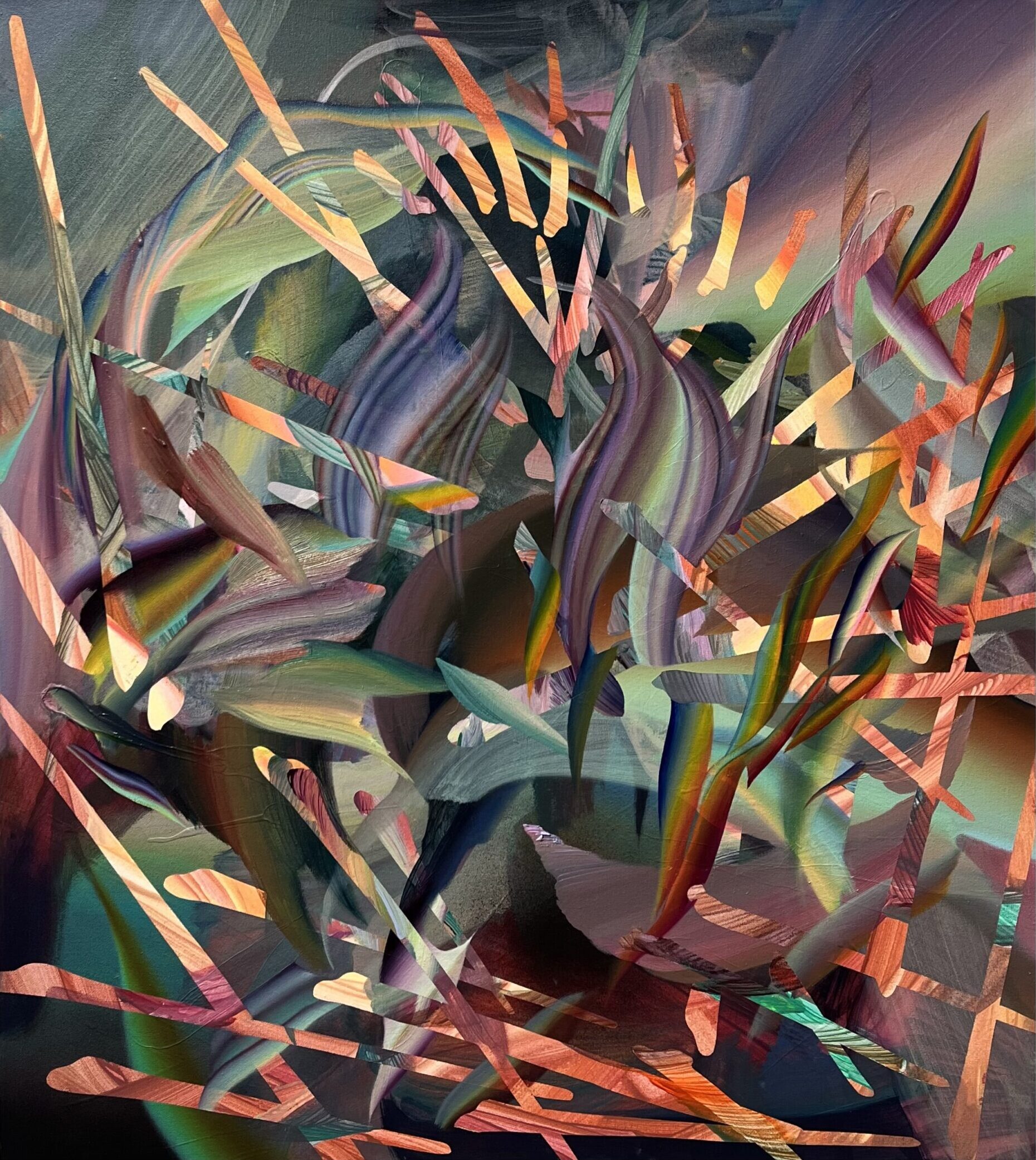
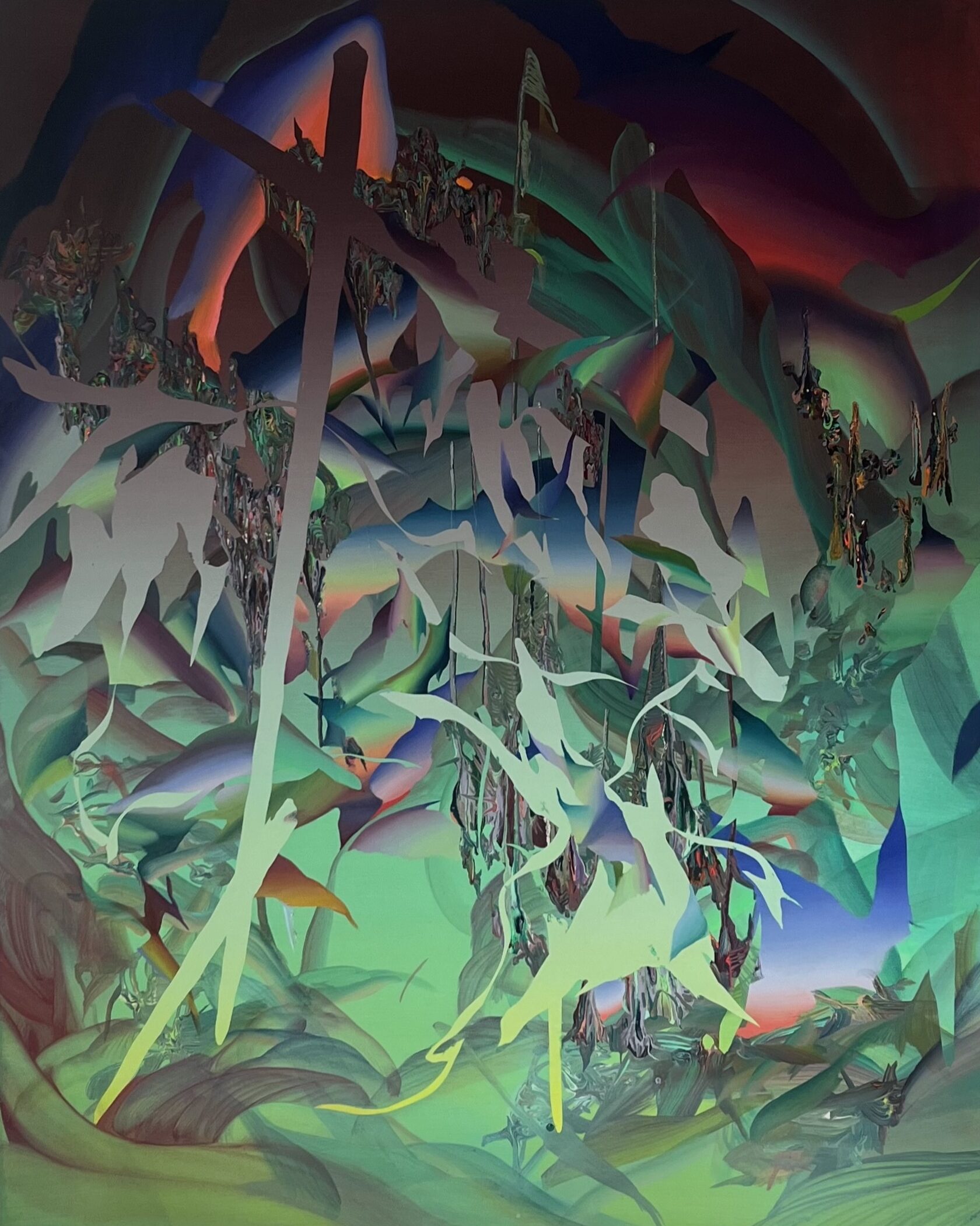
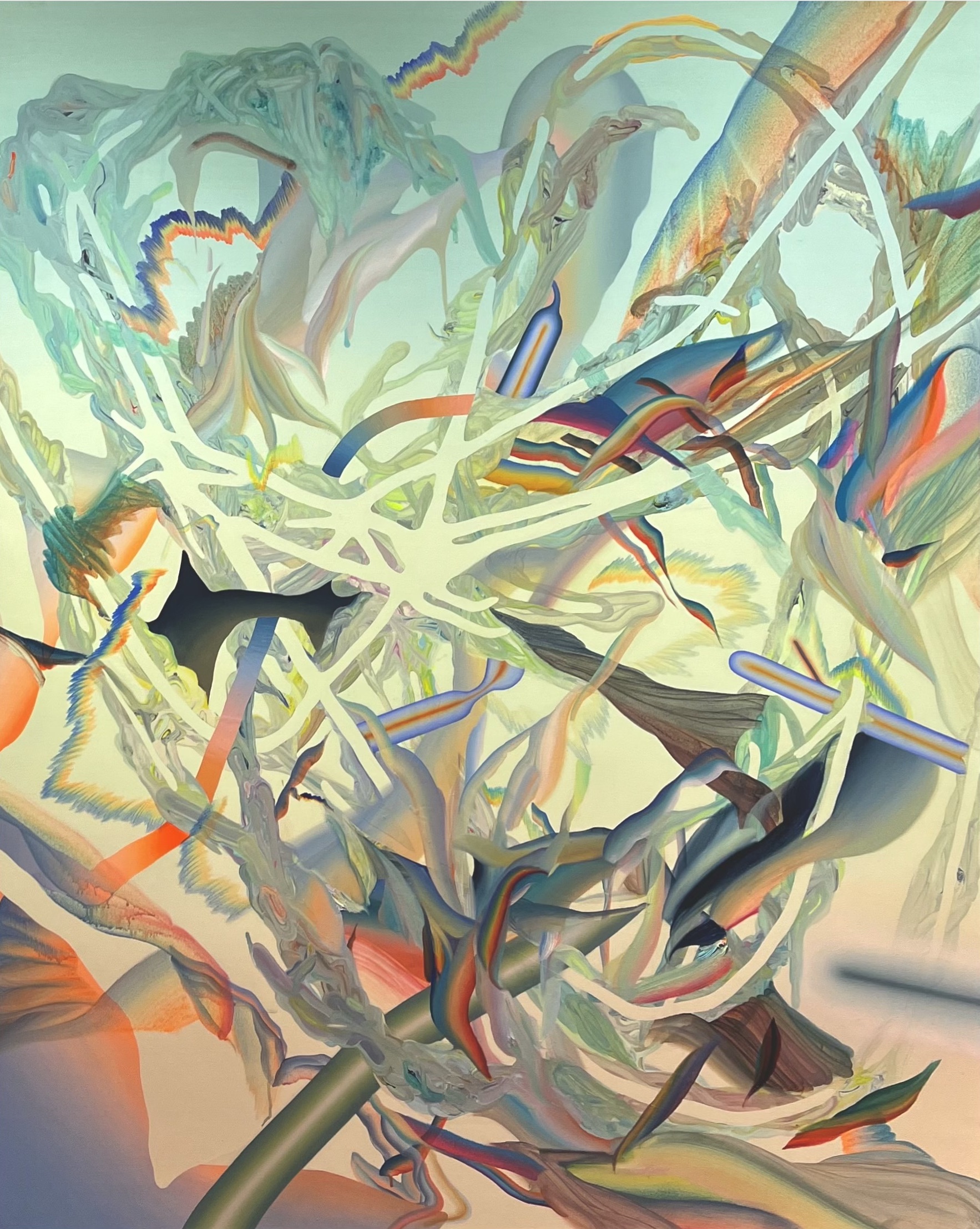
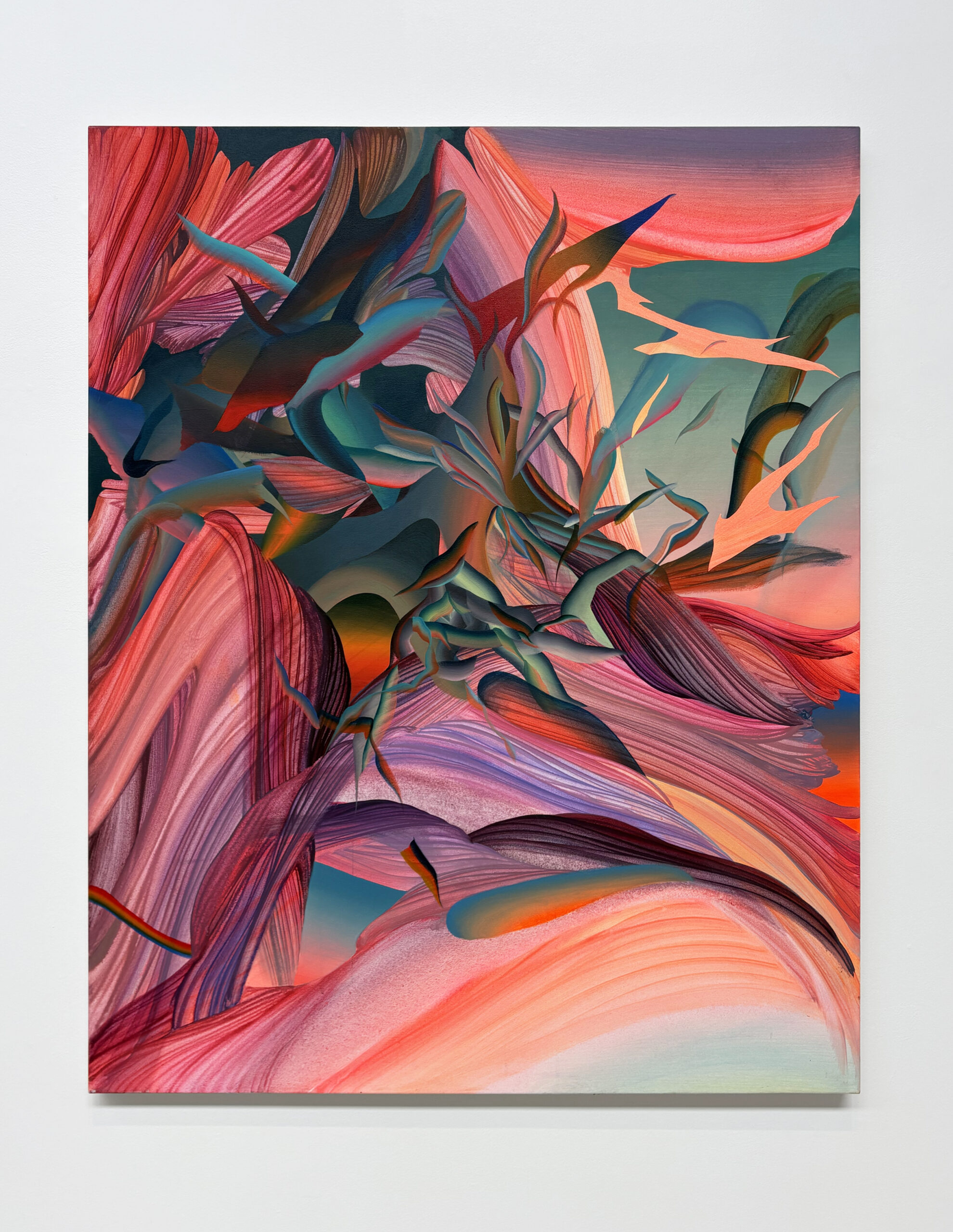
In her debut solo exhibition at Olga Korper Gallery, Sarah Tompkins draws upon the mythology and material logic of alchemy as a framework for understanding painting itself. Historically, alchemy promised impossible transformations: the transmutation of base metals into gold, the discovery of universal remedies, the pursuit of hidden knowledge through fire, experimentation, and faith. For Tompkins, these pursuits become an analogy for the act of painting, where intention collides with uncertainty and where every mark enters a chain reaction whose outcome can never be fully known.
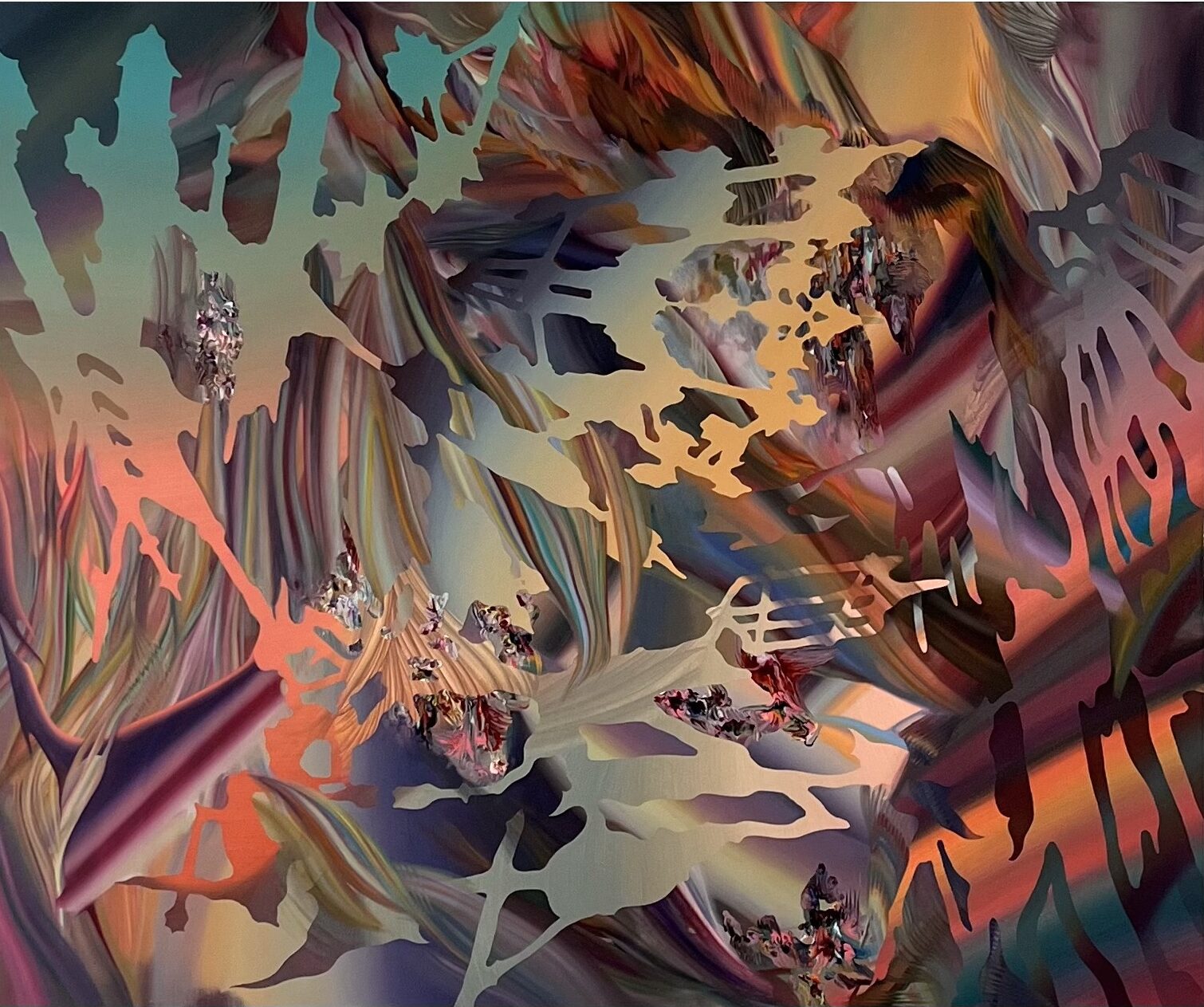
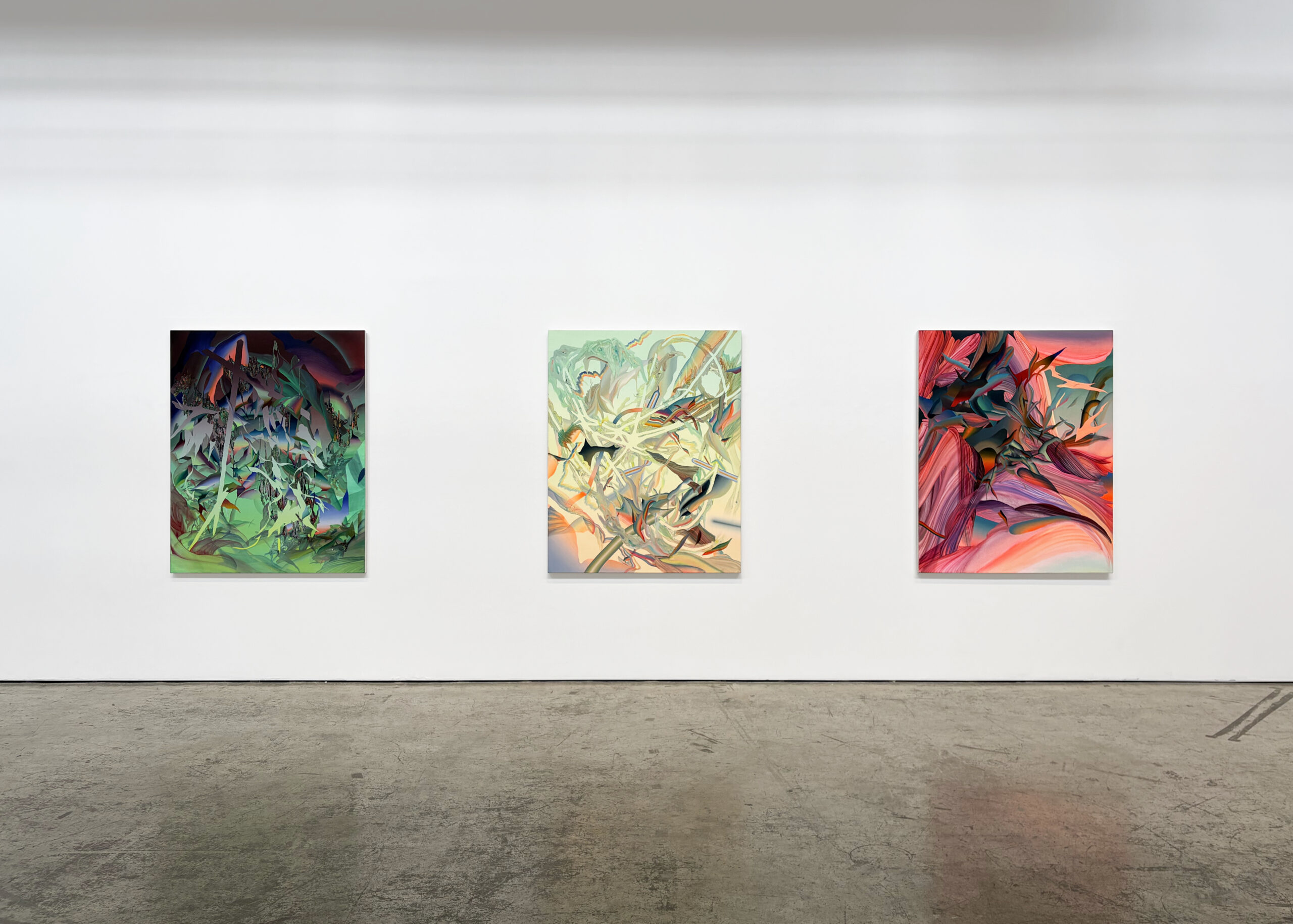
The works in this exhibition emerge from a prolonged engagement with painting as a site of transformation. Here, colour, gesture, time, labour, and chance combine like volatile elements in a crucible. The studio becomes a reaction chamber where sensation, memory, desire, and will are subjected to continual tests. What results are not representations of transformation but records of its occurrence.
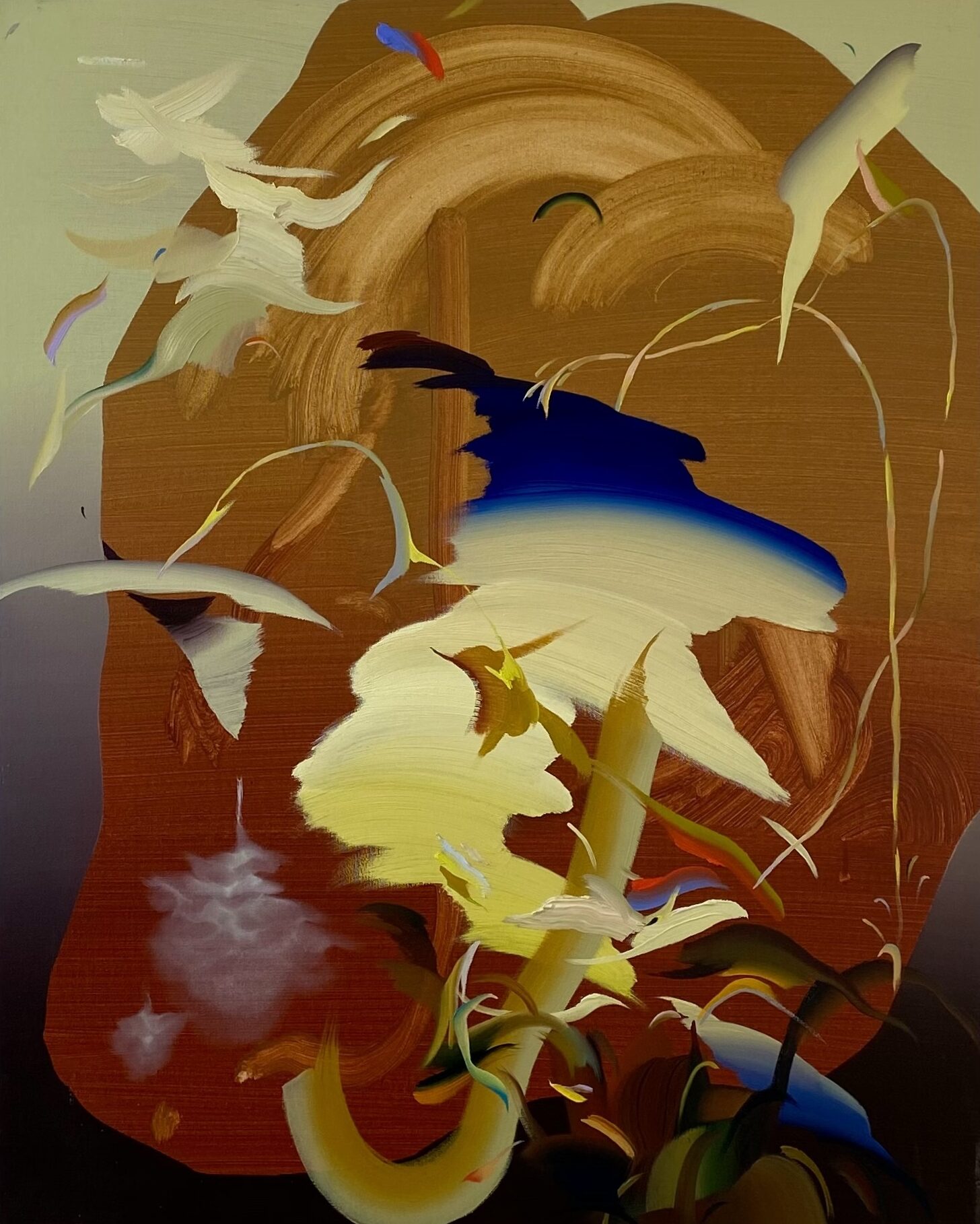
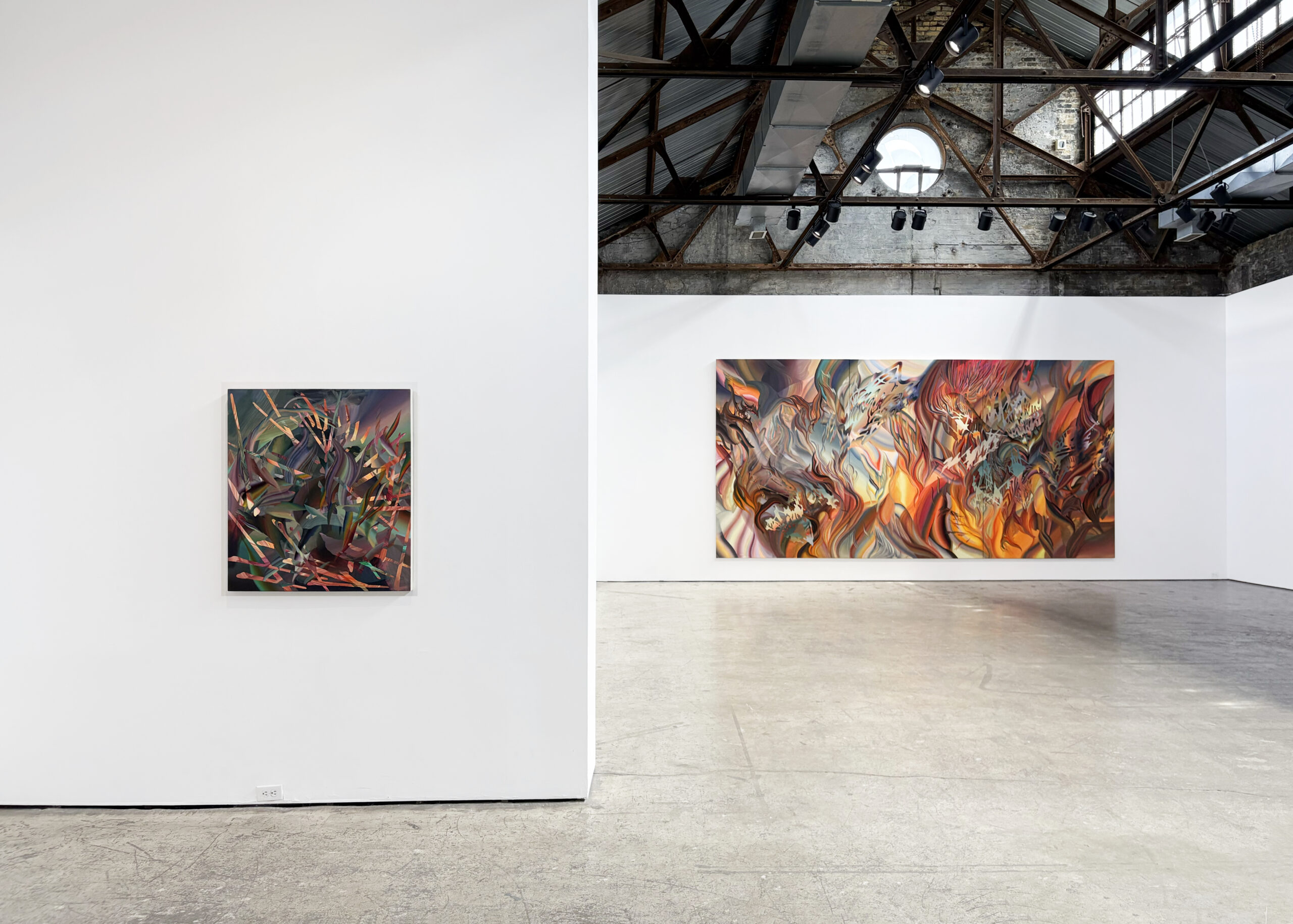
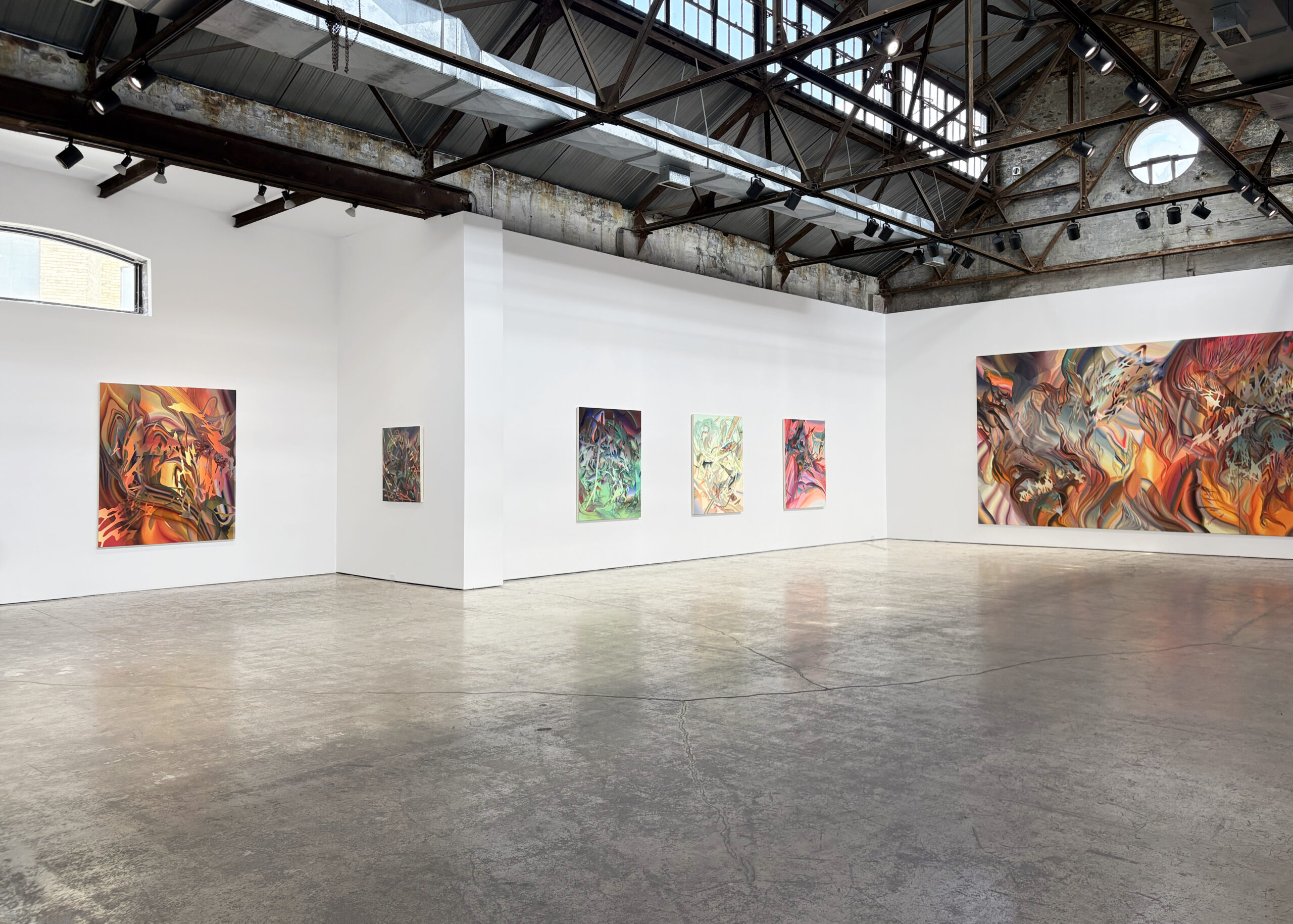
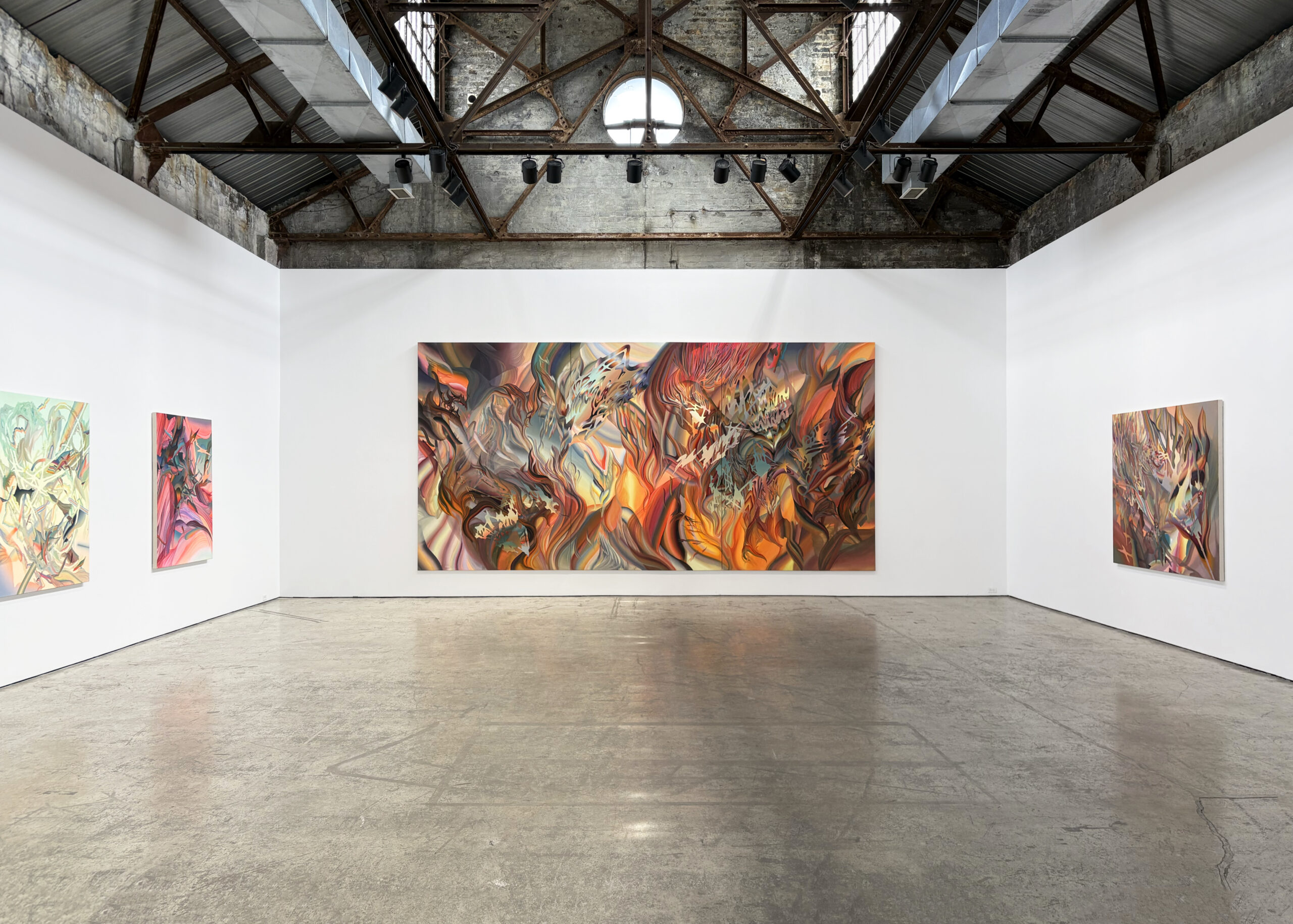
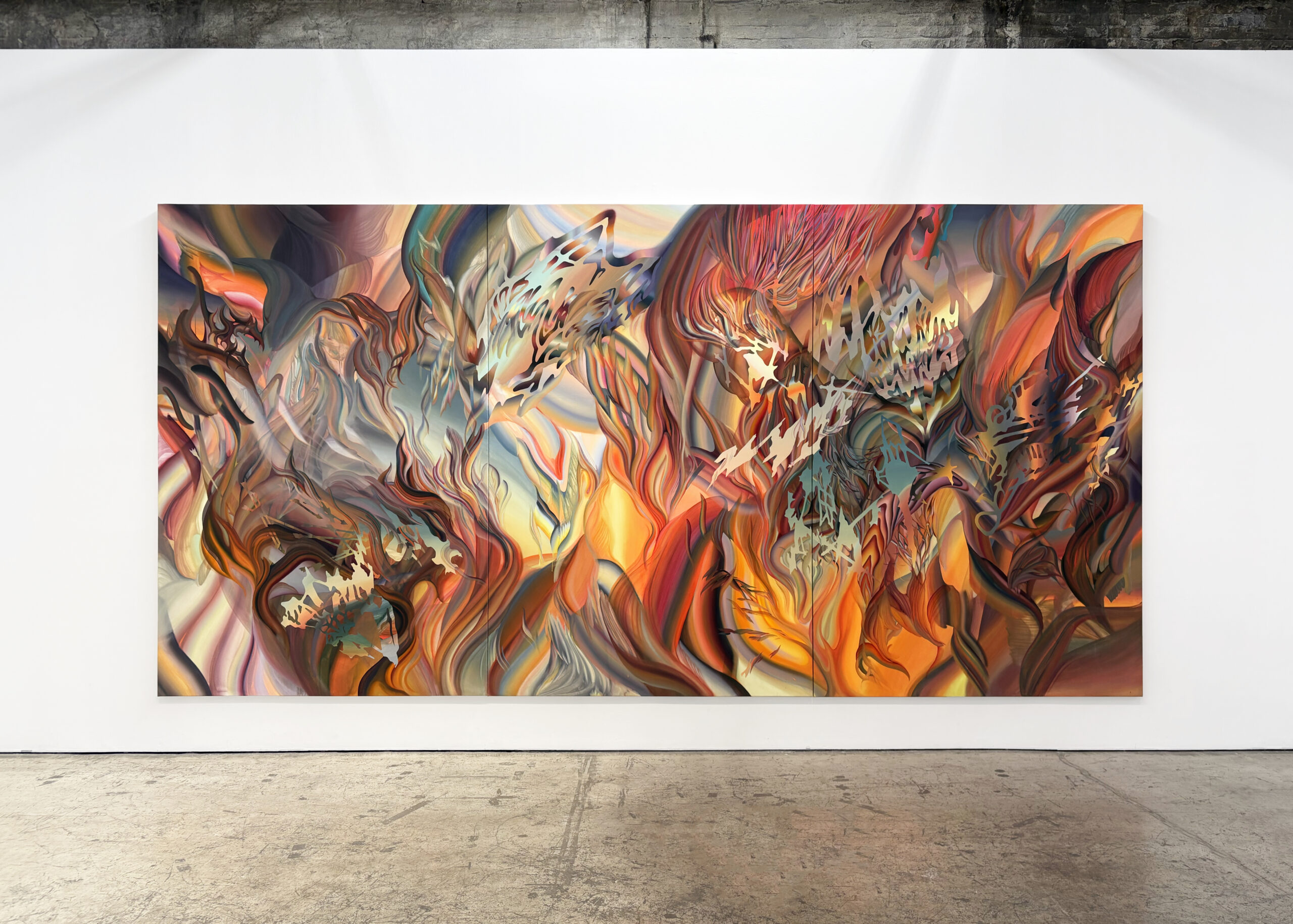
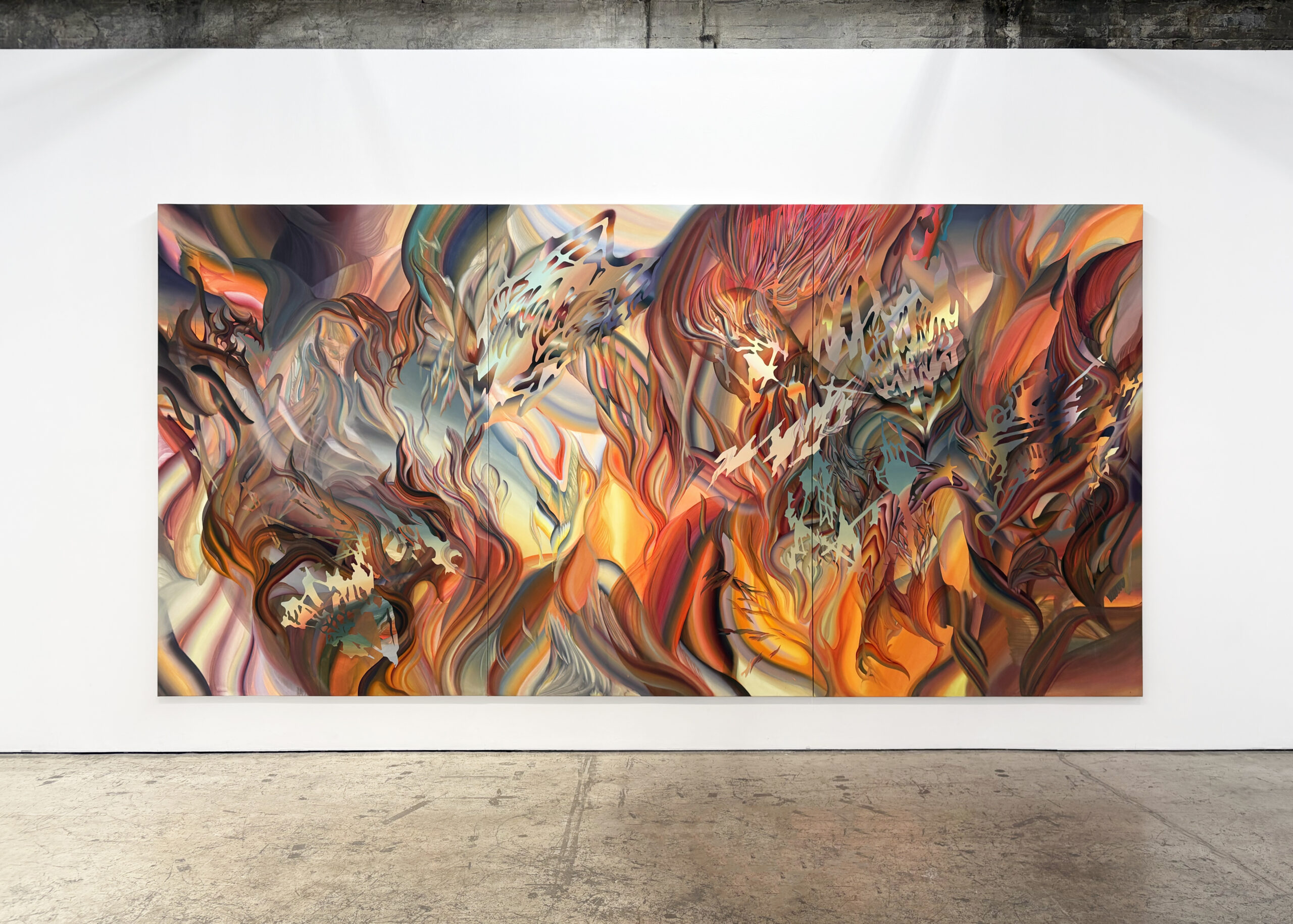
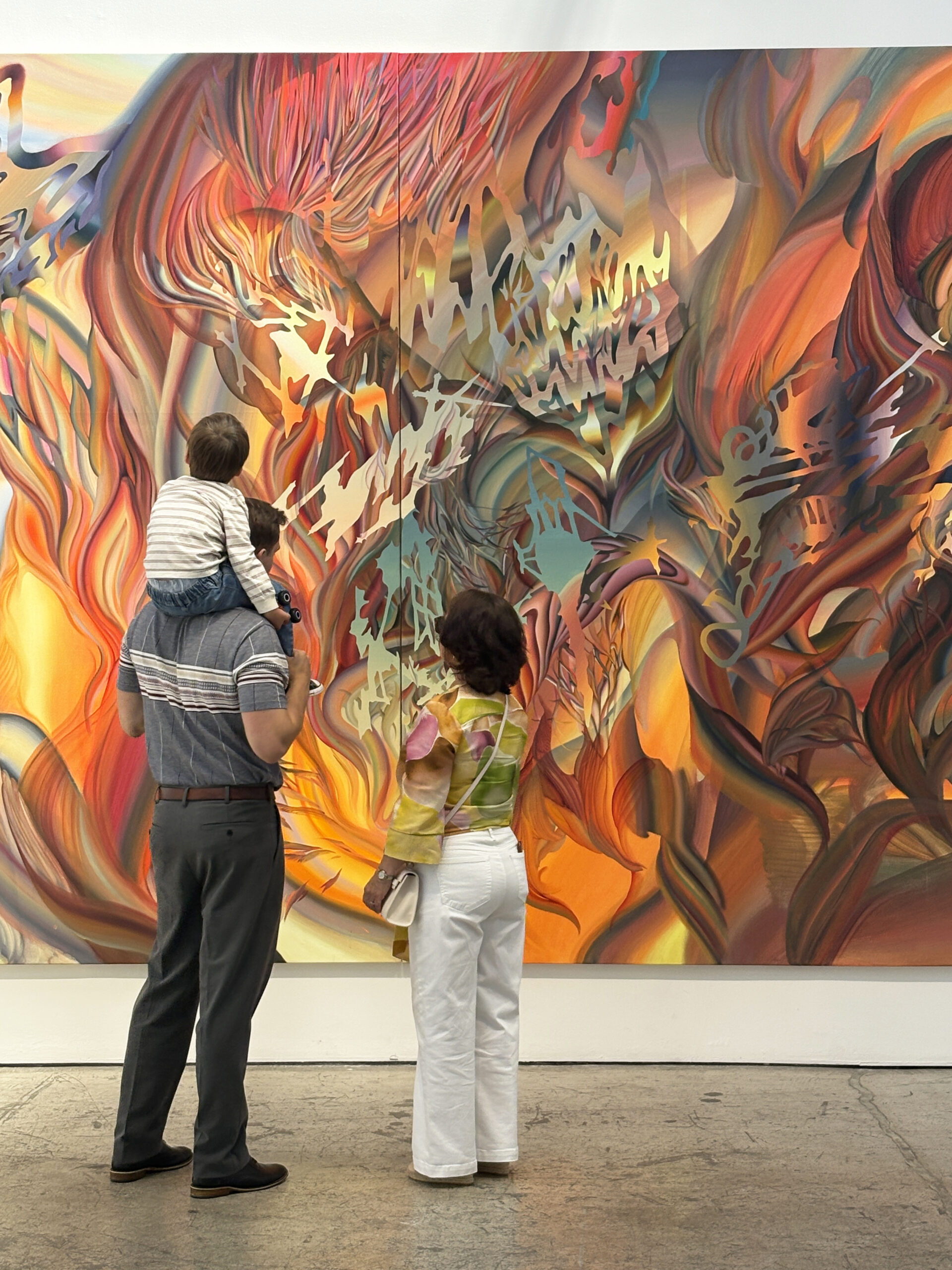
The exhibition’s central work, Athanor, borrows its title from the self-feeding furnace used by medieval alchemists in their attempts to produce the philosopher’s stone. Designed to sustain a constant heat over long durations, the athanor embodied the belief that matter could be transformed through patience, repetition, and the secret action of fire. Installed across the gallery’s largest wall, Tompkins’ monumental painting adopts the furnace as both metaphor and method. The work functions as a site of continual becoming, accumulating decisions, revisions, erasures, and discoveries into a dense field of consequence. Like its namesake, it is sustained through duration rather than immediacy.
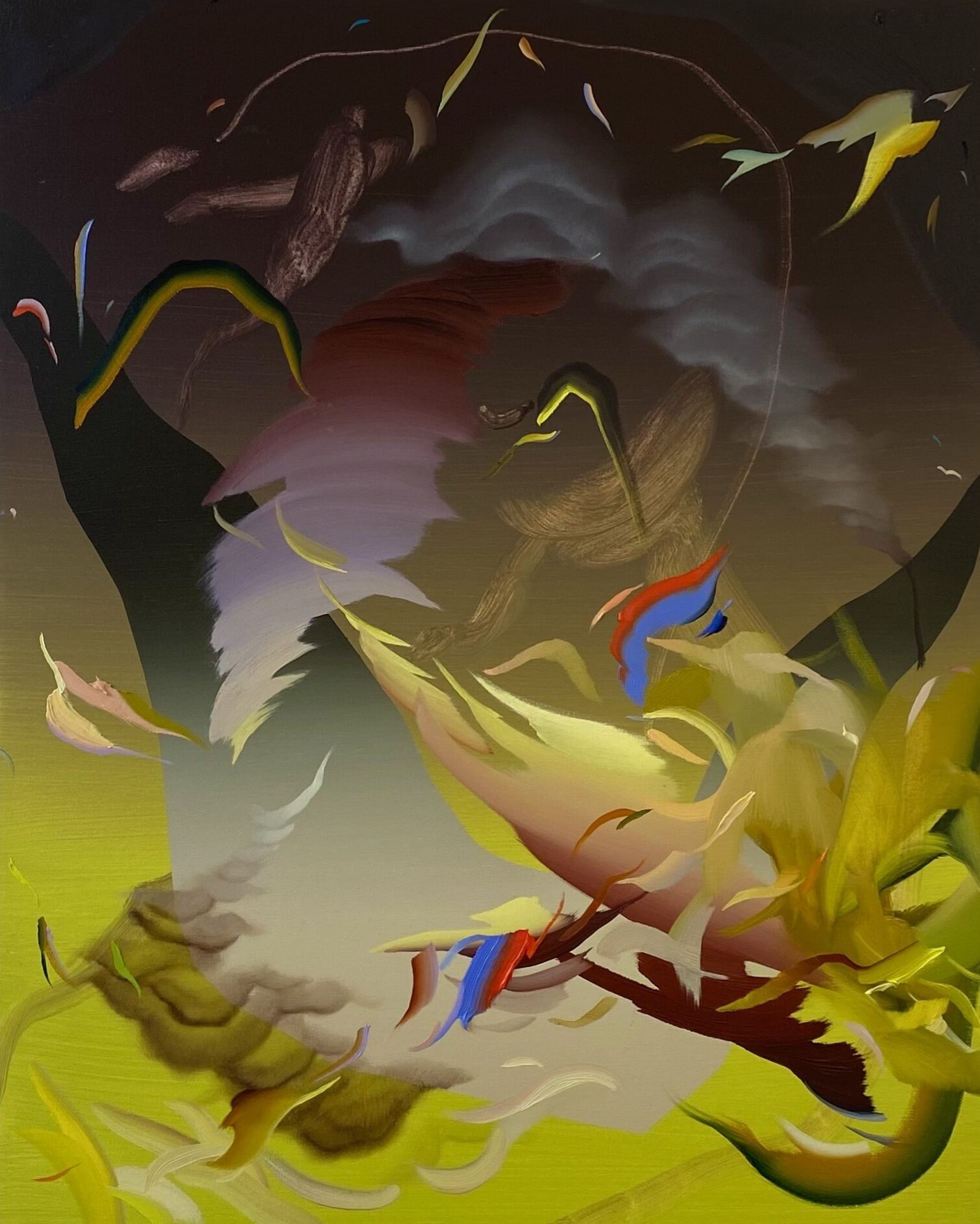
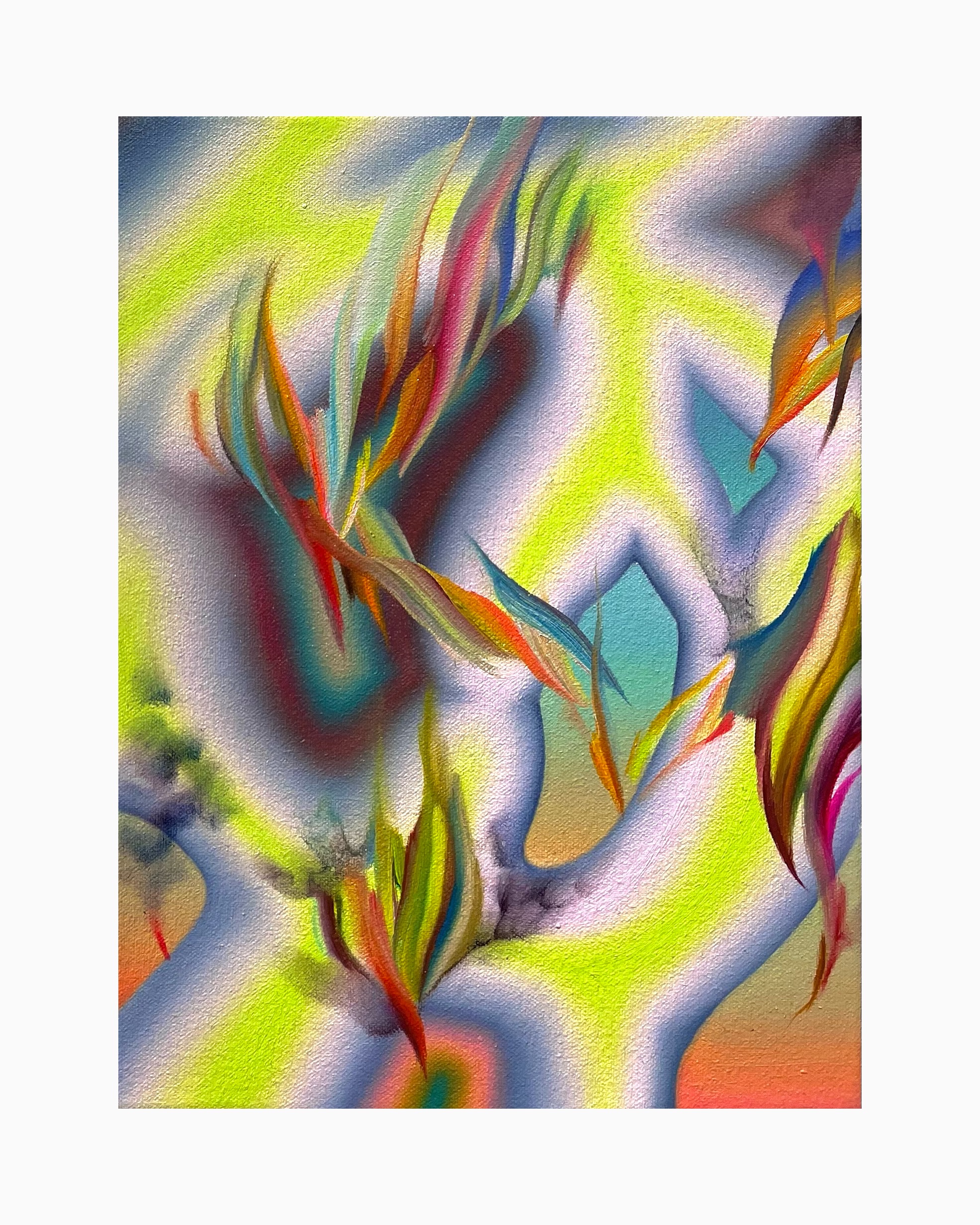
Though trained as a figurative painter, Tompkins has gradually reduced the body into fragments. Limbs dissolve into gestures. Anatomies become atmospheres. Shapes emerge, recede, and recombine into a visual vocabulary that remains tethered to bodily experience while resisting fixed representation. These paintings occupy a space between flesh and apparition, where corporeal forms undergo continual transmutation. The body appears less as an image than as a force moving through the work.
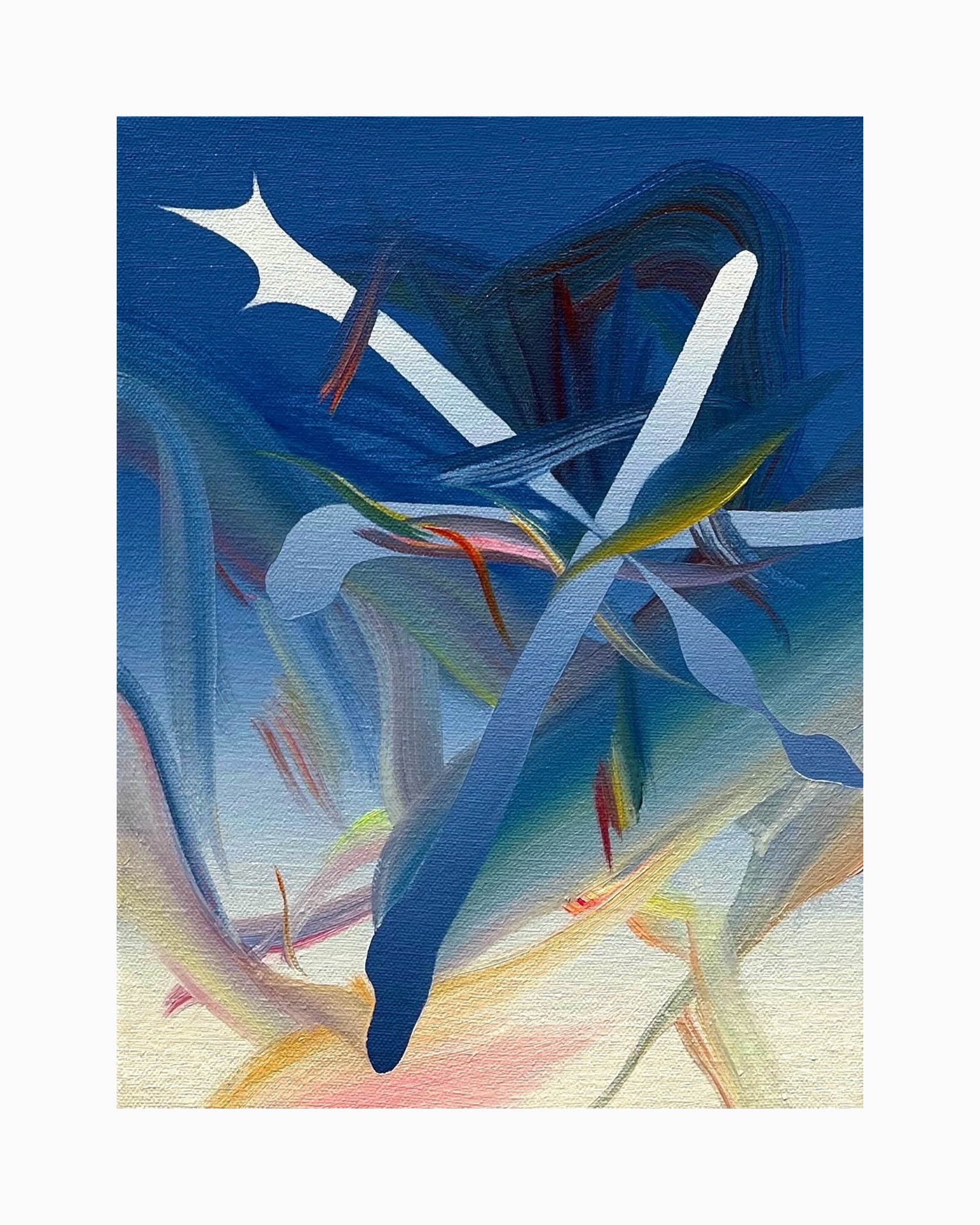
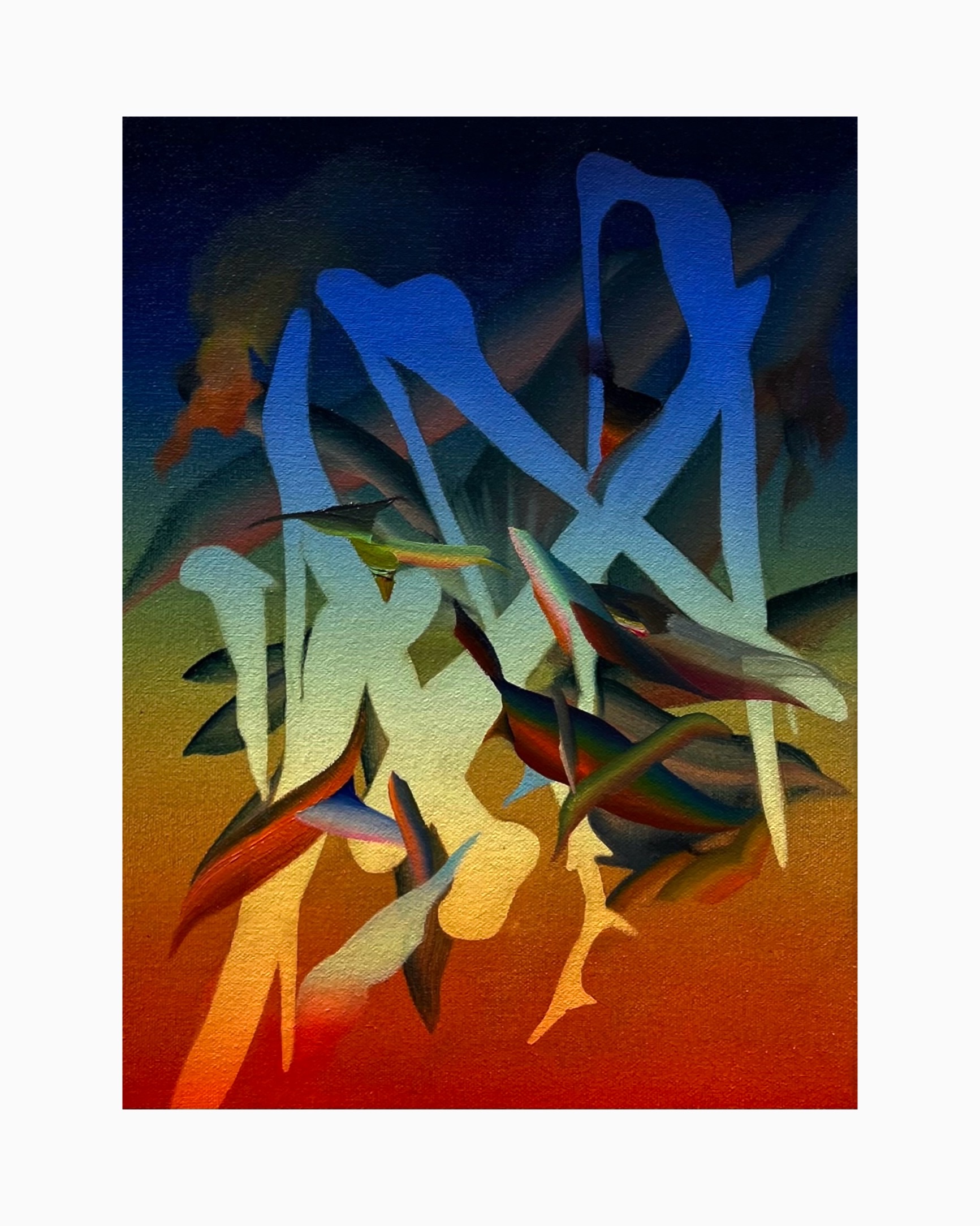
Tompkins sets little traps for herself using one of her primary tools – masking tape – to introduce interruptions and surprises that conceal and reveal passages of paint like an archaeological dig. These interventions function like alchemical experiments whose results remain unknowable until the moment of revelation. What is hidden returns altered. Surfaces become archives of reactions rather than executions of a plan. The paintings evolve through cycles of accumulation and removal, construction and destruction, certainty and doubt.
Fire also persists as a theme throughout the exhibition as both image and underlying principle. In alchemical traditions, fire was the primary agent of change: the force capable of reducing matter so that something new might emerge. Tompkins approaches painting through a similar logic. Her works submit themselves to turbulence, disruption, and continual revision. Forms burn away. Compositions collapse and regenerate. What survives is not perfection, but evidence of transformation itself.
Underlying these material concerns is a sustained investigation into the body’s capacity to affect and be affected. Tompkins understands feeling not as something secondary to thought but as a form of intelligence in its own right. Memory, desire, grief, pleasure, fear, and love circulate through the nervous system long before they become language. Her paintings operate within this territory, tracing the unstable exchanges between sensation and meaning. Myth, memory, and bodily experience become raw materials subject to their own forms of transmutation.
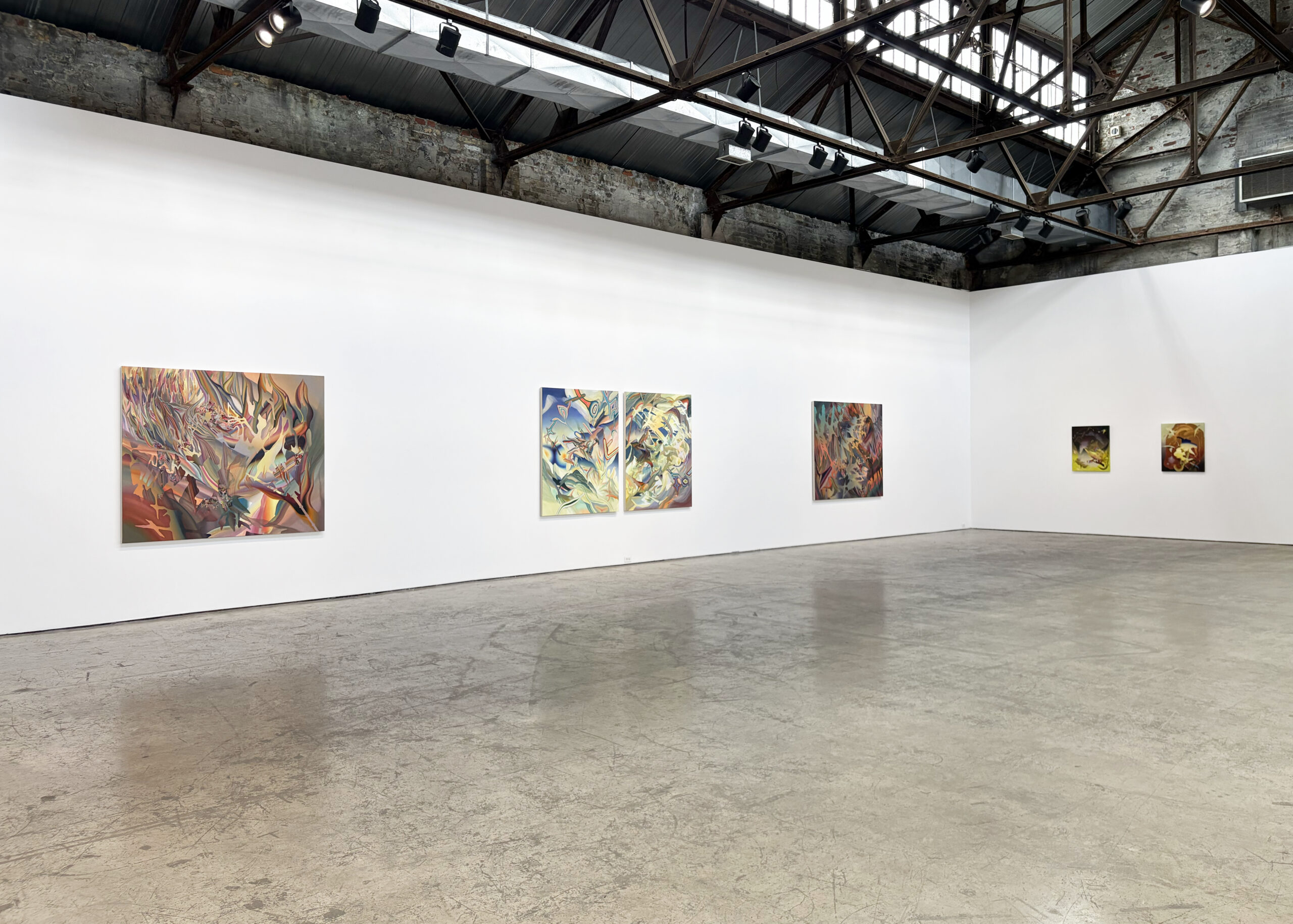
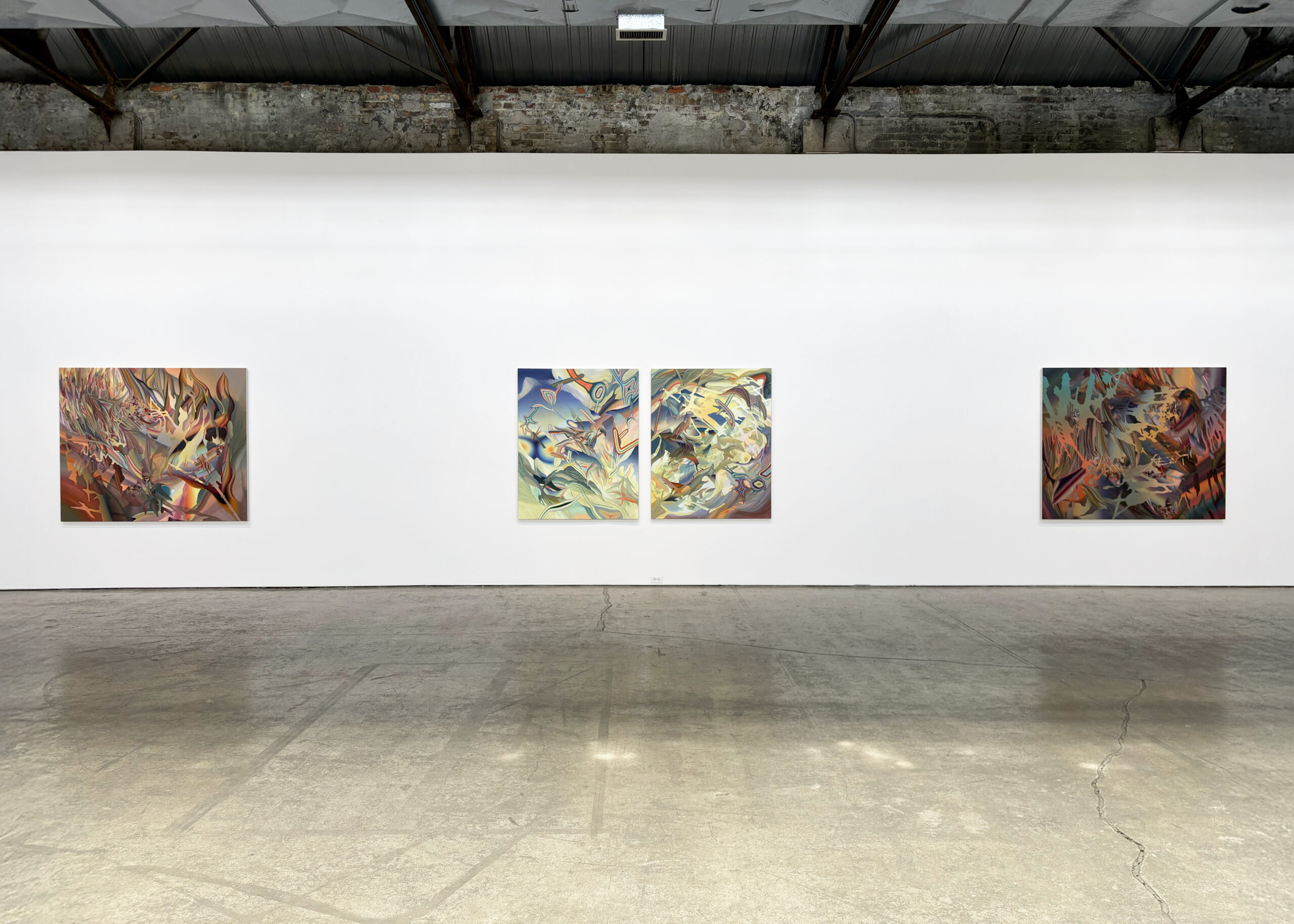
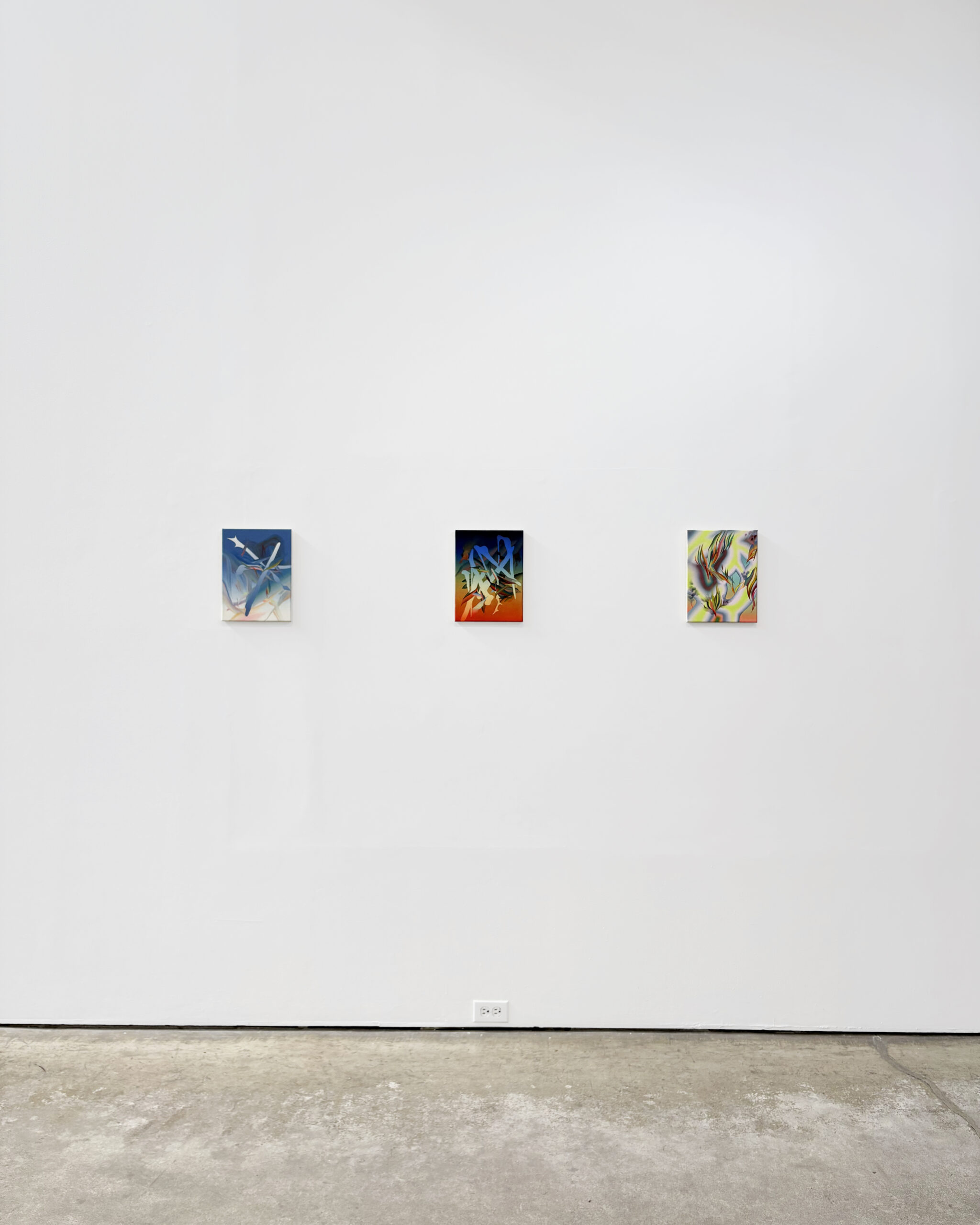
Across paintings both intimate and monumental, the exhibition ultimately proposes painting as a contemporary form of alchemy: not because it turns lead into gold, but because it transforms experience into something material, luminous, and strangely alive. In these works, change is neither miraculous nor complete. It is imperfect, ongoing, and inseparable from the forces that produce it.
Cover image: Sarah Tompkins, Bad Alchemy, 2026, oil and acrylic on canvas, 72″ x 60″
Opening Reception
June 13, 2026 2:00 pm – 5:00 pmArtist Links
Included Artworks
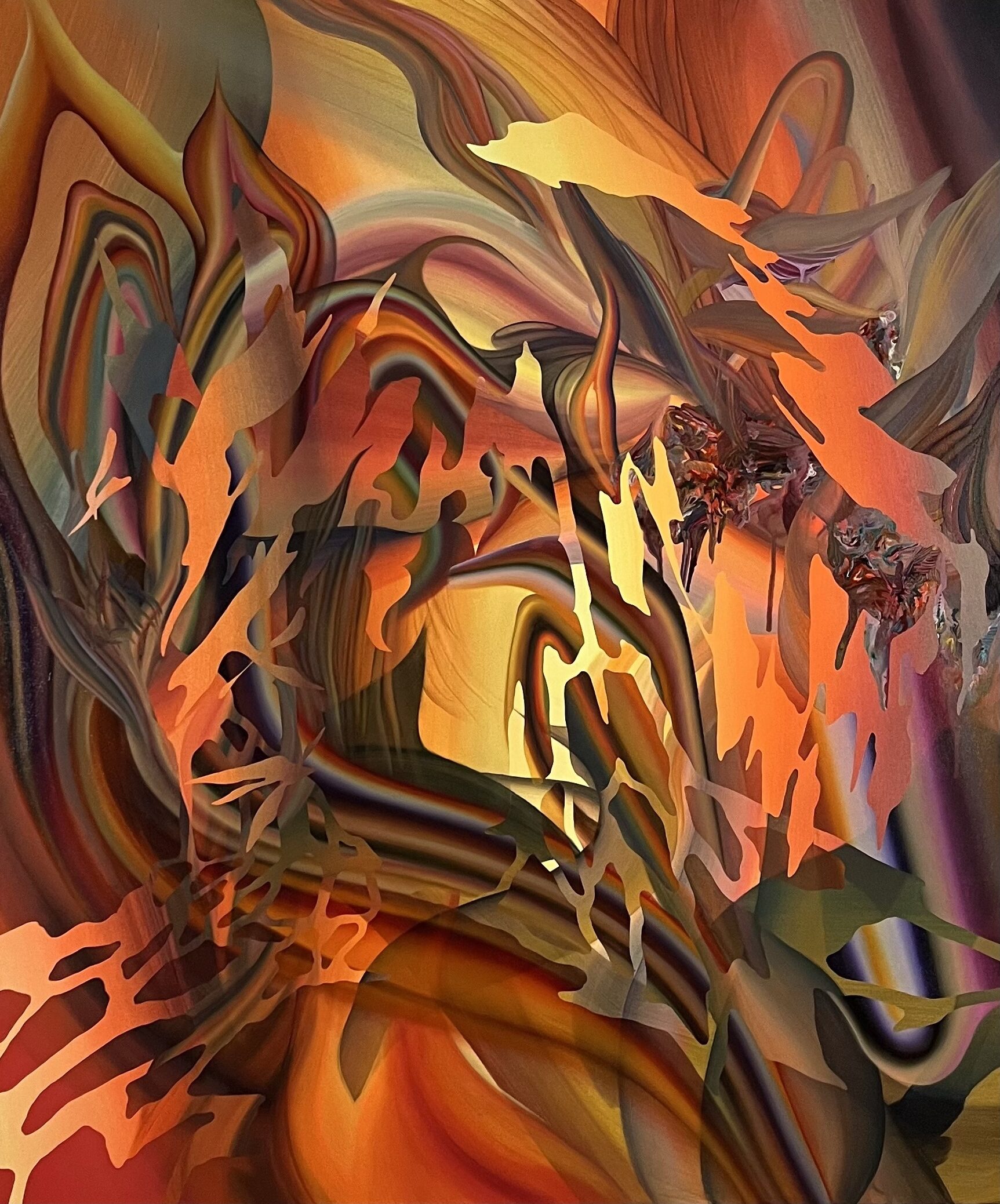
artwork detail